
Suggested tools for you
Finding genuinely useful event intelligence software is harder than finding another chatbot. The strongest products connect an LLM to changing information such as API events, financial filings, operational incidents, ecommerce signals, or evaluation results. We compared 14 tools, then shortlisted the 10 most useful options for teams building or consuming live-data workflows around top event intelligence tools using llms with live data.
Quick trust line
Tools reviewed: 14 candidates, with 10 featured in the ranked guide
Last checked: October 4, 2026
Reviewed by: aitop10.ai software rankings editor
What we checked: Live-data relevance, LLM and agent workflows, developer fit, pricing signals, free access, and practical limitations
Merge

- Product developers
- 3 production Linked Accounts free
- Starts at Launch: Free for first 3 production Linked Accounts
- Usage signal: 333K
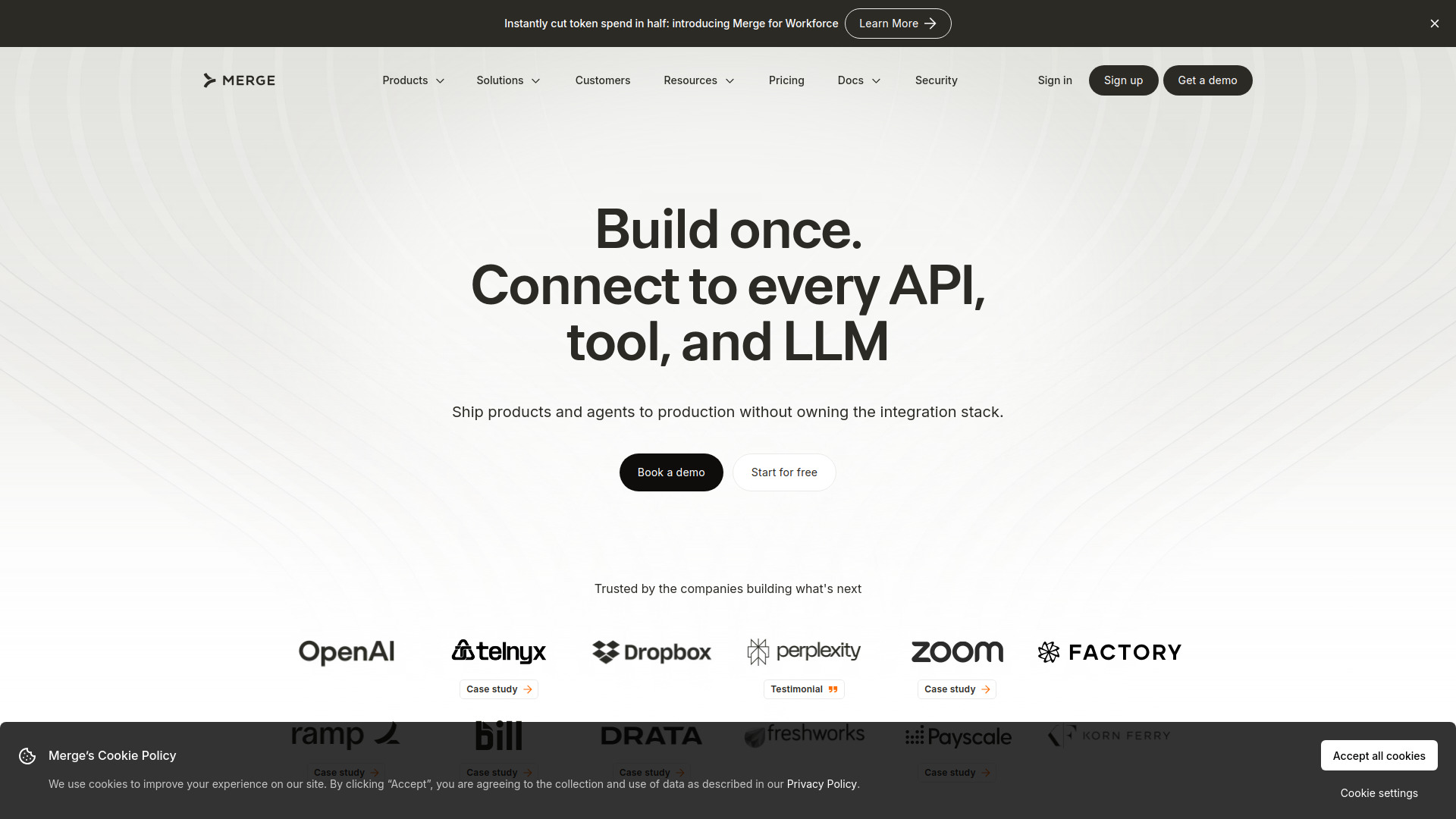
Merge earns the top spot because it tackles the infrastructure problem underneath event intelligence: connecting products, agents, APIs, and models to the systems where live business events actually happen. Its unified API covers HR, payroll, ATS, CRM, ticketing, accounting, and file-storage platforms, reducing the maintenance burden of many one-off integrations.
The Agent Handler adds authenticated actions across thousands of pre-built tools, while the LLM Gateway routes model requests with spend controls, fallbacks, and performance visibility. That combination makes Merge unusually relevant for teams building an event-driven AI product rather than simply querying a data feed.
Why it ranks first
| Score area | Assessment |
|---|---|
| Live-data connectivity | 24/25 - Broad unified API and connected accounts |
| LLM and agent support | 24/25 - Agent Handler plus LLM Gateway |
| Product readiness | 22/25 - Built for product developers and governed actions |
| Value and accessibility | 20/25 - Free allowance, but paid Launch begins at $650/month |
Best fit
Product teams building agents that need authenticated actions.
Developers consolidating multiple SaaS integrations behind one API.
Companies that need model routing and spend visibility alongside data access.
Limitations
The lowest paid Launch package costs $650 per month after the free allowance.
Professional and Enterprise pricing is contract-based and not publicly listed.
It is infrastructure, not a ready-made event dashboard for nontechnical analysts.
Abliteration.ai

- Cybersecurity researchers
- 1 free credit, about 500 tokens
- Starts at Free tier: $0
- Usage signal: 107K
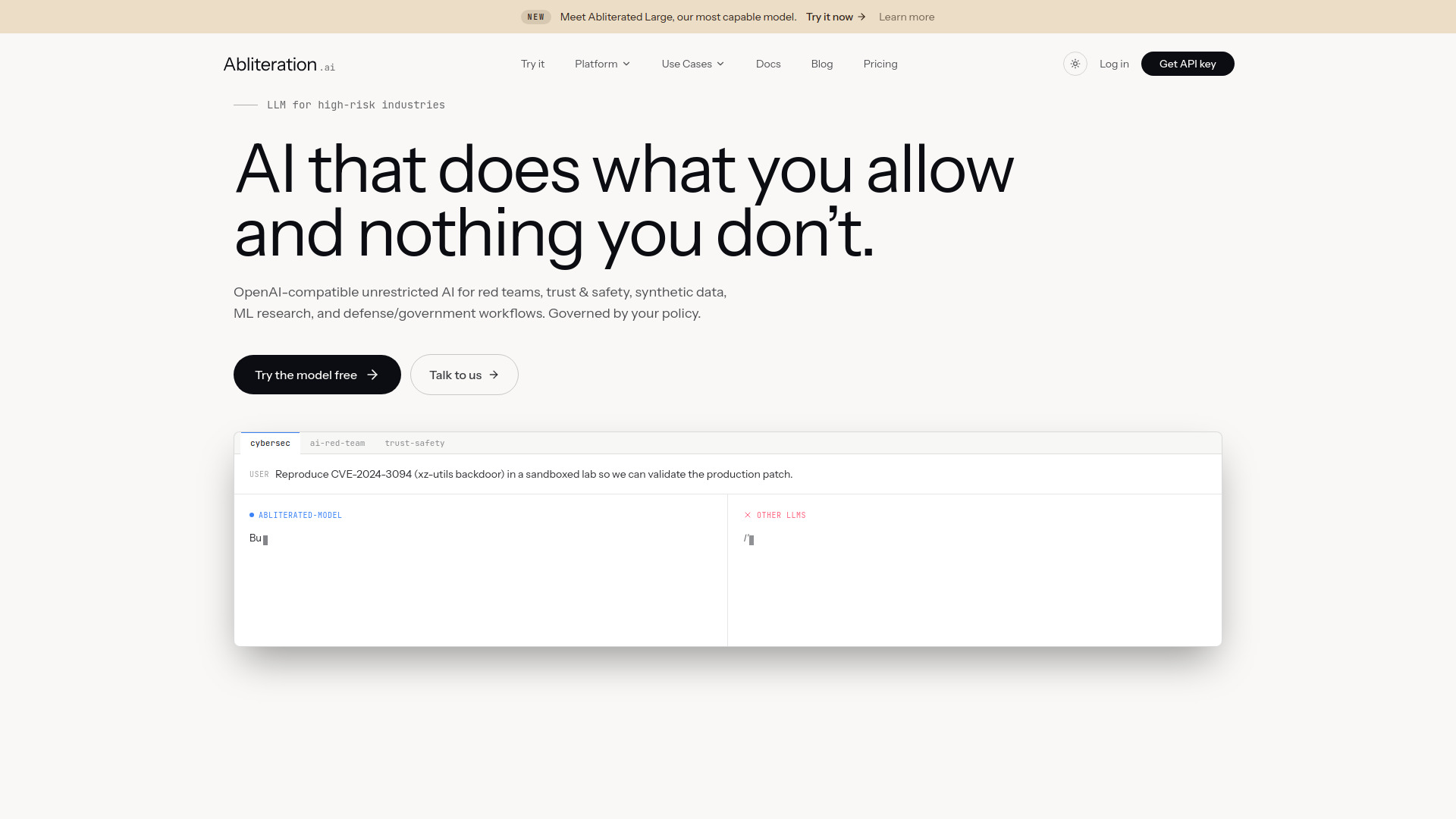
For security research, red-team analysis, and synthetic-data work, the useful event is often buried in sensitive technical material. Abliteration.ai provides less-restricted LLMs aimed at legitimate work that can be blocked by ordinary refusal behavior. Its OpenAI- and Anthropic-compatible APIs also make migration relatively painless: existing code, SDKs, and agent frameworks can use a changed base URL rather than a complete rebuild.
Vision and document extraction support image inputs up to 15 MB across common formats. That makes the service a practical adjacent pick for teams processing mixed research evidence, although it is not a general-purpose event-monitoring dashboard.
Why it is near the top
| Score area | Assessment |
|---|---|
| Live-data workflow fit | 22/25 - API access supports integration into research systems |
| LLM flexibility | 24/25 - Compatible APIs and less-restricted models |
| Specialist usefulness | 24/25 - Strong fit for security and research teams |
| Value and accessibility | 20/25 - Free preview, then plans and token usage apply |
Best fit
Cybersecurity researchers and red teams with legitimate sensitive workloads.
ML engineers migrating existing OpenAI-compatible applications.
Teams combining document or image inputs with agent workflows.
Limitations
The free preview is limited to one credit, roughly 500 tokens.
Monthly plans and token usage apply beyond the preview.
Policy Gateway governance is an enterprise add-on with custom pricing.
LTX-2 AI

- Content creators
- Free credits daily
- Starts at Basic: $10/month
- Usage signal: 27.5K
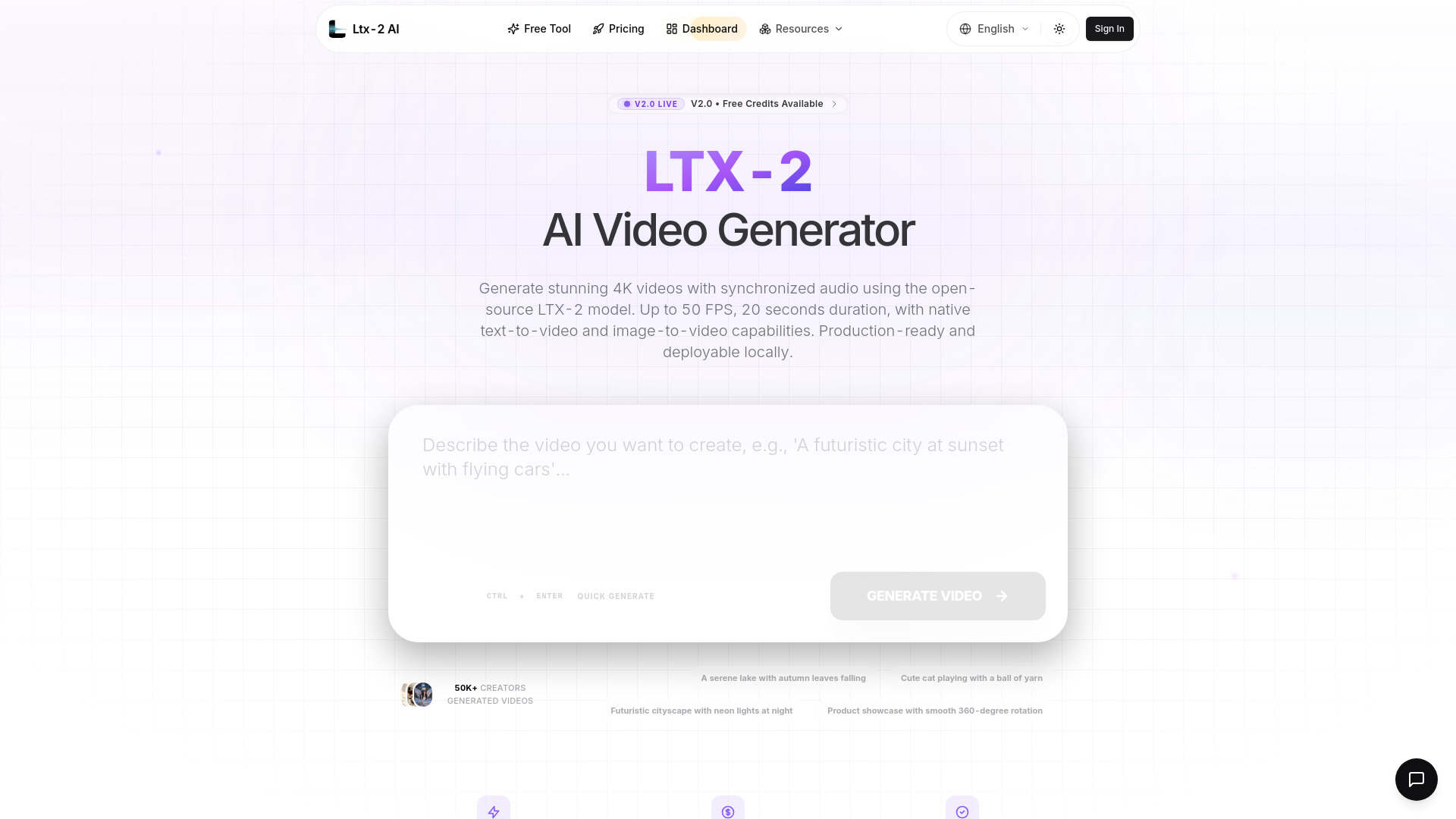
LTX-2 AI is an unexpected but useful alternative for teams whose event intelligence workflow ends in visual reporting, explainers, or social content. The Apache 2.0 open-source model supports local deployment and ComfyUI, while native audio synchronization generates dialogue, environmental sound, and music that match the visuals.
It can produce 4K video at up to 50 FPS, which is a meaningful technical advantage for polished event recaps or data-storytelling assets. The catch is workflow length: each generation tops out at 20 seconds, so longer pieces require multiple clips and editing.
Best fit
Content teams turning live findings into short visual explainers.
Creators who want local deployment rather than a closed video service.
Technical users who value 4K output, high frame rates, and synchronized audio.
Limitations
Each generation is limited to 20 seconds.
Longer content requires combining multiple clips.
It is a visual creation tool, not a live event data source by itself.
Nexscope

- E-commerce sellers
- Free trial available
- Starts at Free Trial: Free
- Usage signal: 48.0K
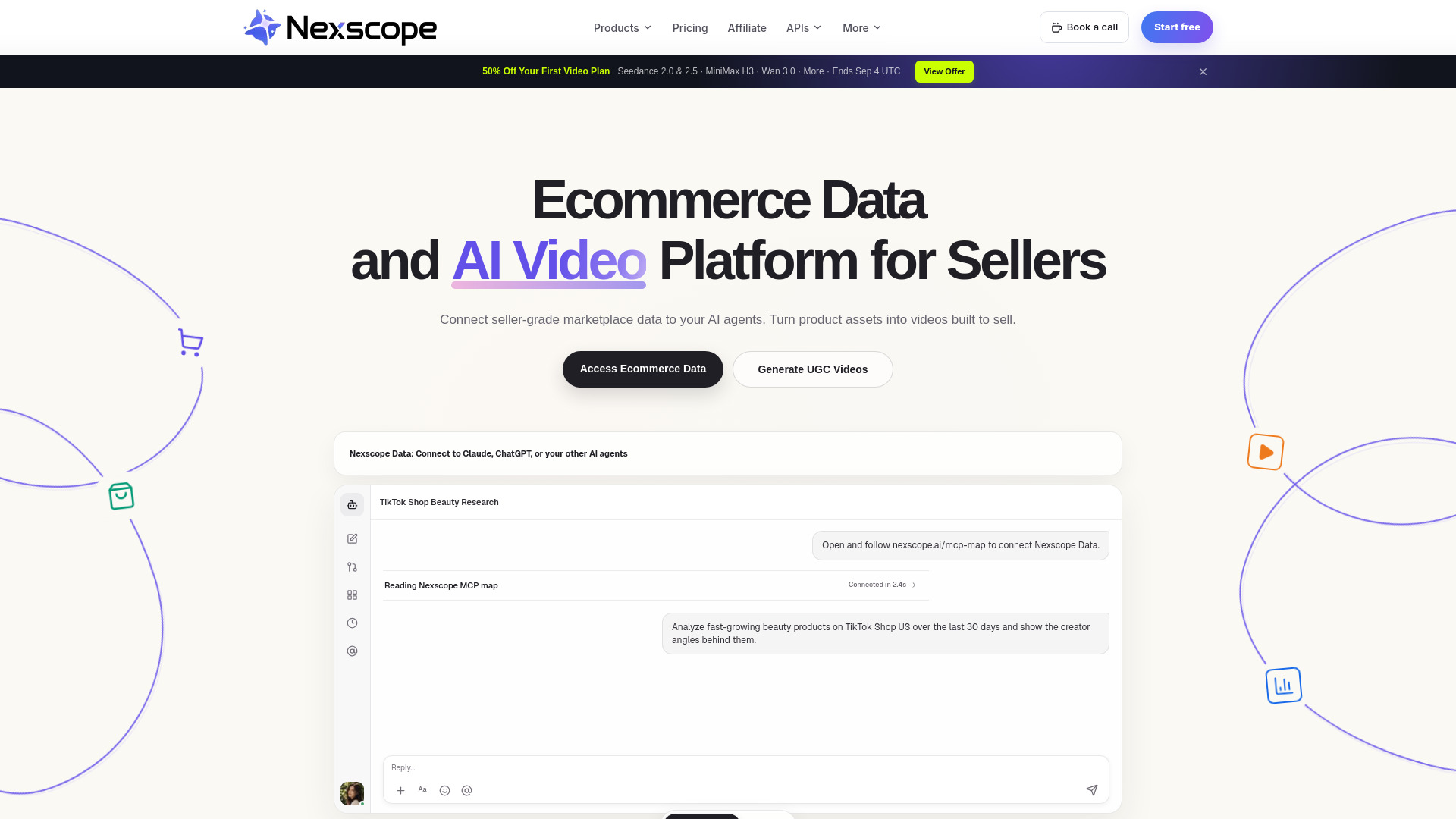
Nexscope brings the list closest to classic market intelligence. It combines multi-platform ecommerce data with product and market research, competitor monitoring, pricing analysis, and listing analysis. Its role-based AI agents are designed to consolidate seller tools instead of forcing a merchant to stitch together several research tabs.
That makes it a sensible adjacent choice when "events" means changing marketplace conditions: competitor price shifts, listing changes, or emerging product opportunities. It is currently in a Coming Soon or waitlist phase, so buyers should treat the product as an early-access bet rather than a ready-to-deploy system.
Best fit
Ecommerce sellers comparing products, competitors, and listings.
Market researchers who want several seller workflows in one platform.
Teams willing to evaluate an early-access product.
Limitations
The product is currently in a Coming Soon or waitlist phase.
The complete agent set may take time to learn.
Buyers needing production-ready monitoring today should look elsewhere first.
Xelta AI

- Content creators
- Free access details vary by credit plan
- Starts at Check vendor pricing
- Usage signal: 40.1K

When a live insight needs to become an image, video, audio clip, advertisement, or story, Xelta AI offers a broad production workspace. It brings together more than 100 AI models and supports image generation, video generation, editing, advertising, and storytelling, including microdramas, trailers, and comics.
That breadth is useful for communications teams working from event-driven briefs. It is less compelling for buyers who need structured feeds, timestamps, or analytical event records. Xelta is a downstream content layer rather than a pure intelligence platform.
Best fit
Content creators producing several media formats from one brief.
Marketing teams turning timely developments into campaign assets.
Users who want access to multiple models and output styles.
Limitations
Credit-based generation can make high-volume work more expensive.
Monthly plans impose image and video generation limits.
Pricing is not presented as a clean starting figure here, so verify it before committing.
Logic

- Business teams
- Free trial available
- Starts at Trial: $0/user/month
- Usage signal: 13.3K
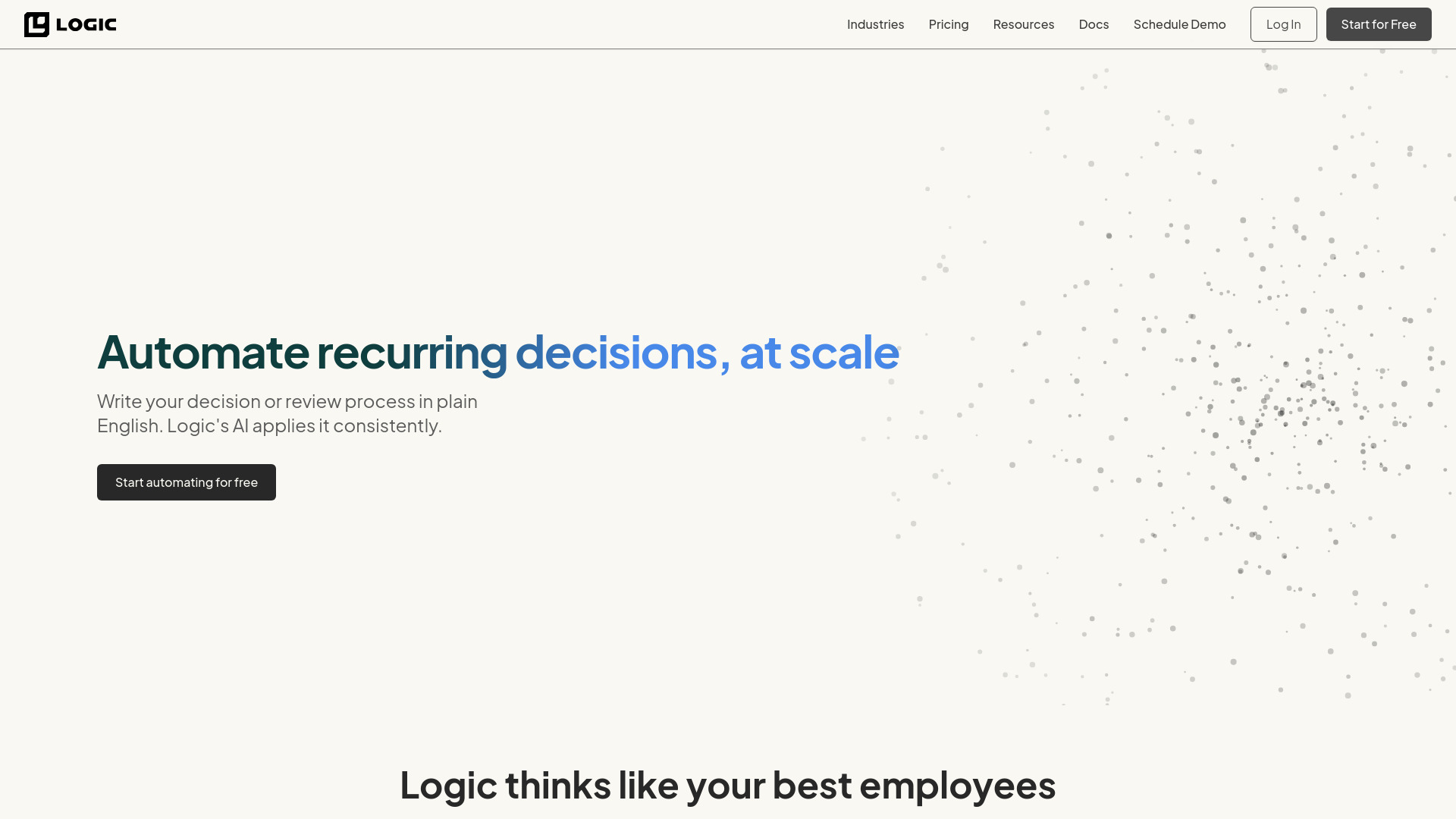
Logic takes plain-English process documents and turns them into functional APIs. For event intelligence, that means a team can express recurring decisions or review rules without configuring API keys, writing prompts, or building every workflow from scratch. It is particularly interesting when incoming events must trigger repeatable business decisions.
Best fit
Operations teams automating recurring reviews.
Business users who can describe a process but do not want to code it.
Companies turning internal decision rules into callable APIs.
Limitations
"Unlimited monthly tasks" in the Ultra plan includes abuse guardrails.
Enterprise and API plans may add usage rates beyond the base price.
It is a process automation layer, not a specialist live-news or market feed.
Phare

- Startups
- 100,000 monitoring events and 10 AI summaries
- Starts at Hobby: Free
- Usage signal: 2.9K
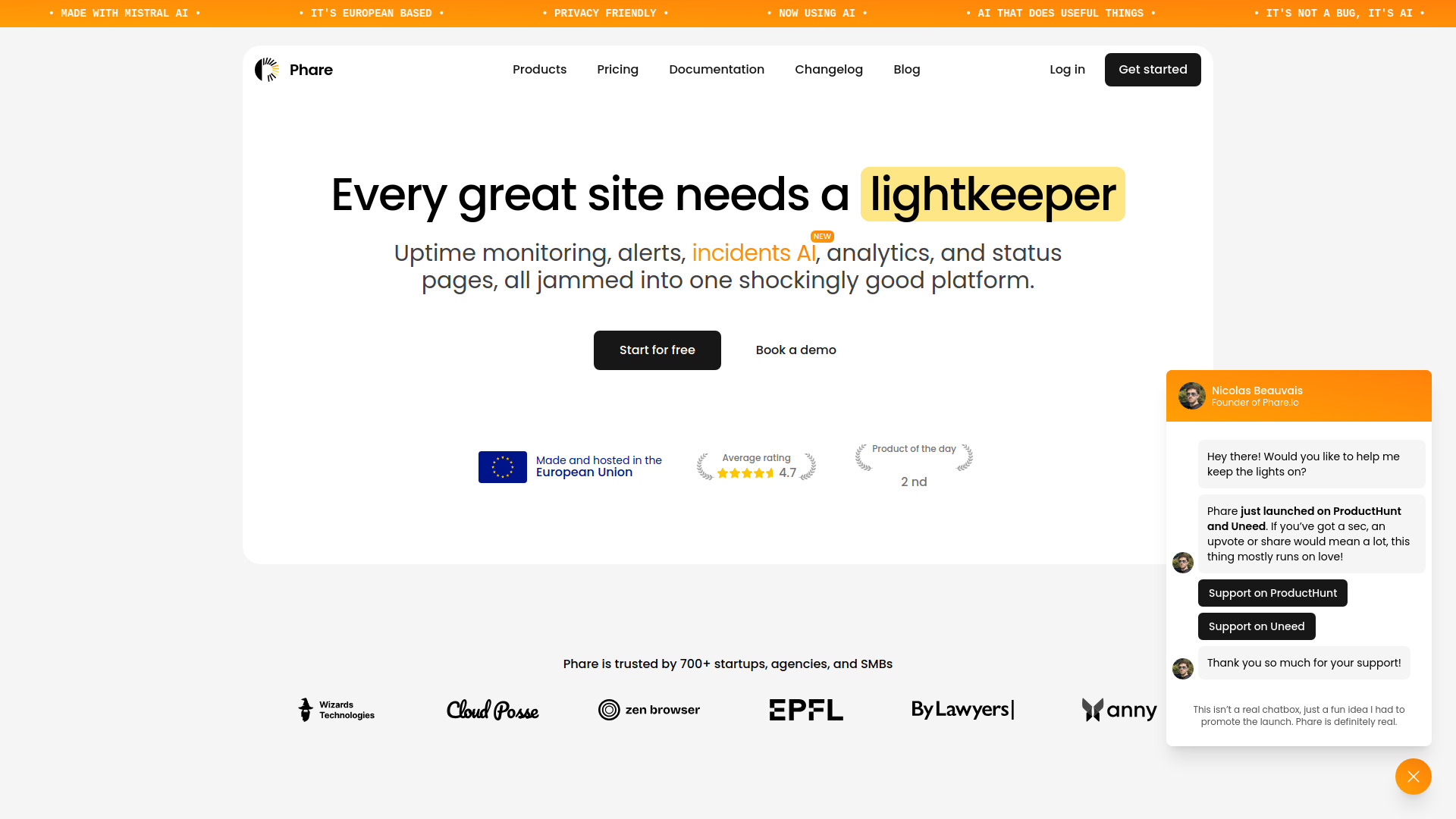
Phare focuses on a very concrete class of live events: uptime failures, incidents, and status changes. Its all-in-one platform includes uptime monitoring, incident management, status pages, and AI summaries. Setup is designed to take about two minutes, and the free plan does not require a credit card.
For startups, that combination is more useful than a generic LLM dashboard when the priority is knowing what just broke and communicating it clearly. Analytics was not yet available, and SMS or voice alerts are limited by plan.
Best fit
Startups monitoring websites and customer-facing services.
Small teams that need status pages and incident workflows together.
Operators who want AI summaries attached to operational events.
Limitations
Analytics was listed as not yet available.
SMS and voice alerts are limited in Scale and can incur overage charges.
Its intelligence is operational rather than broad market intelligence.
Llumo

- SEO professionals
- Unlimited prompts with user-provided API keys
- Starts at Free: $0
- Usage signal: 223
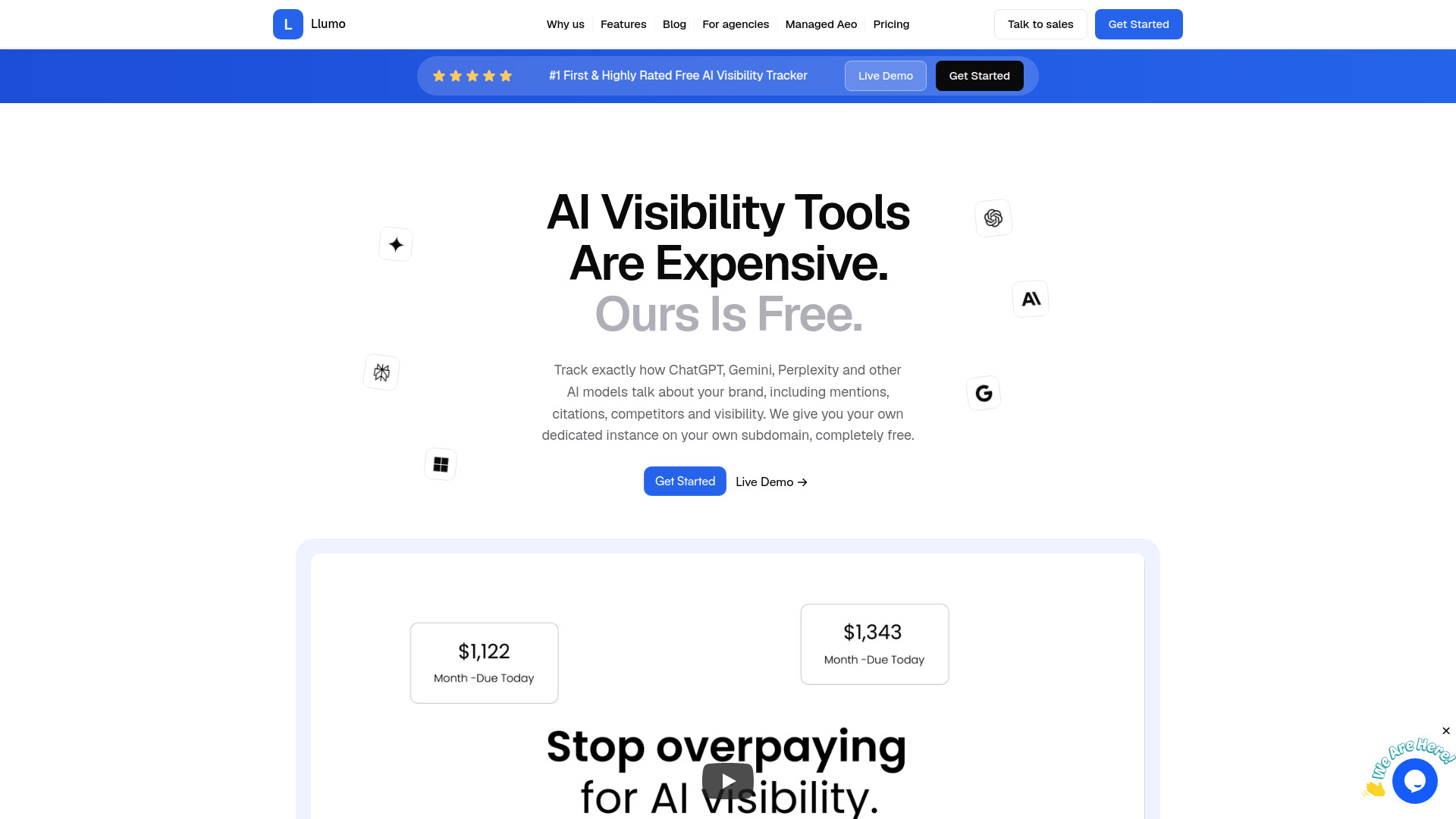
Llumo tracks how brands appear across ChatGPT, Gemini, Perplexity, Copilot, Google AI Overviews, and other answer engines. Per-prompt visibility scores, share-of-voice tracking, citation analysis, and competitor comparisons give SEO teams a structured way to observe changing AI search results.
It is one of the clearest matches for intelligence gathered from live model outputs, even though its focus is AI visibility rather than general event streams. The platform itself has no monthly license fee, but users supply their own API keys and still pay provider costs at higher volume.
Best fit
SEO professionals tracking brand visibility across answer engines.
Agencies comparing prompts, citations, and competitors.
Teams that already manage their own model API accounts.
Limitations
Users must provide their own API keys on the free platform.
AI provider usage costs still apply for larger tracking volumes.
The low usage signal suggests a smaller public footprint than the leaders here.
EvalCore

- LLM engineers
- Free; no login or signup required
- Starts at Check vendor pricing
- Usage signal: Usage signal not listed
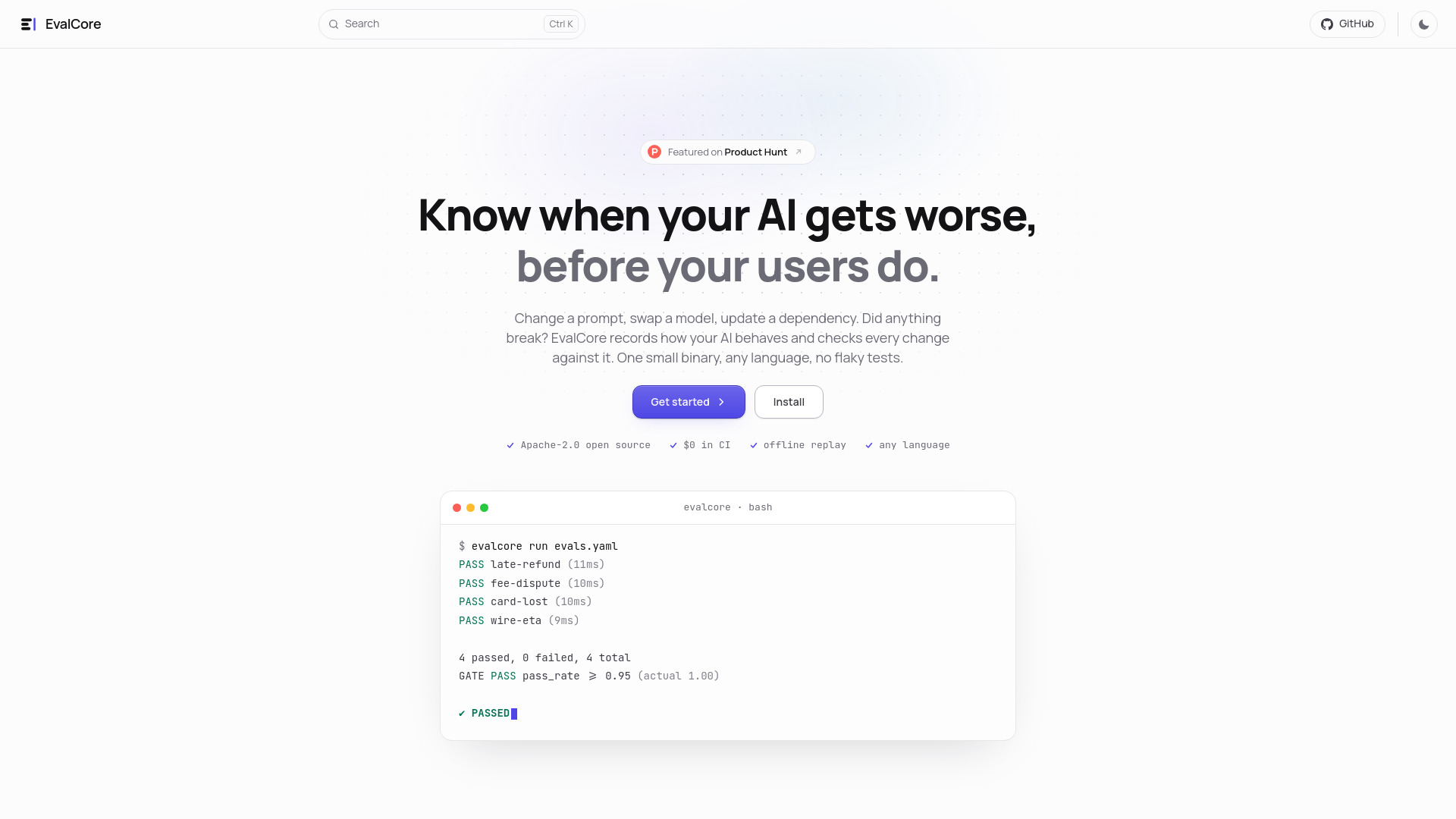
EvalCore treats model calls as replayable test events. Its single-binary runner supports LLM apps and agents, YAML-based evaluation definitions and scorers, and record-and-replay cassettes for deterministic offline CI runs. REST and shell targets make it usable across languages.
This is a strong engineering companion when the question is whether an agent still behaves correctly after a model or prompt change. It is not designed for interactive exploration, and the first live run is required to record cassettes.
Best fit
LLM engineers maintaining regression suites.
Teams that want fast, cost-free offline CI replay.
Developers testing applications and agents across languages.
Limitations
An initial live run is required to record cassettes.
It is better for regression testing than interactive experimentation.
Pricing details are hidden behind an unclear pricing presentation.
AlphaAI

- Algorithmic traders
- 20 requests/minute and 100 requests/day
- Starts at Free: $0
- Usage signal: Usage signal not listed
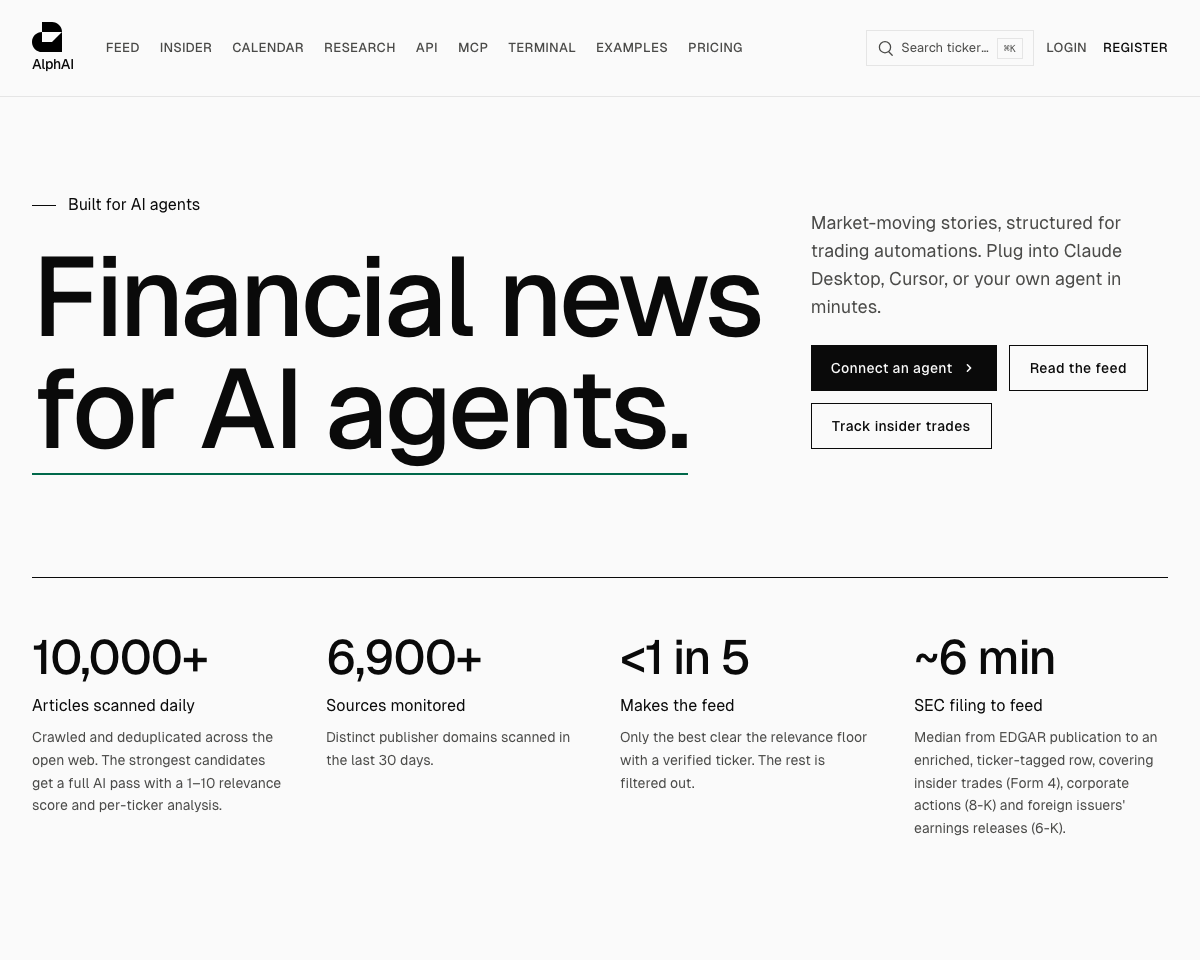
AlphaAI is the most direct fit for event intelligence built around fresh external data. It delivers relevance-scored financial news, ticker-level sentiment with written reasoning, and structured SEC events. Form 4 insider trades arrive about six minutes after filing, while 8-K corporate events and 6-K earnings releases are categorized by filing item.
The REST API and MCP access make it suitable for algorithmic trading research and LLM applications that need more structure than a raw news firehose. The free tier is useful for evaluation, but request limits and a 30-day archive constrain sustained workloads.
Best fit
Algorithmic traders consuming structured financial events.
Developers building finance agents over REST or MCP.
Researchers who need relevance and ticker-impact signals alongside articles.
Limitations
Free access is limited to 20 requests per minute and 100 per day.
Free API and MCP access is limited to a 30-day archive.
It is specialized for financial events, not general business intelligence.
More tools to compare
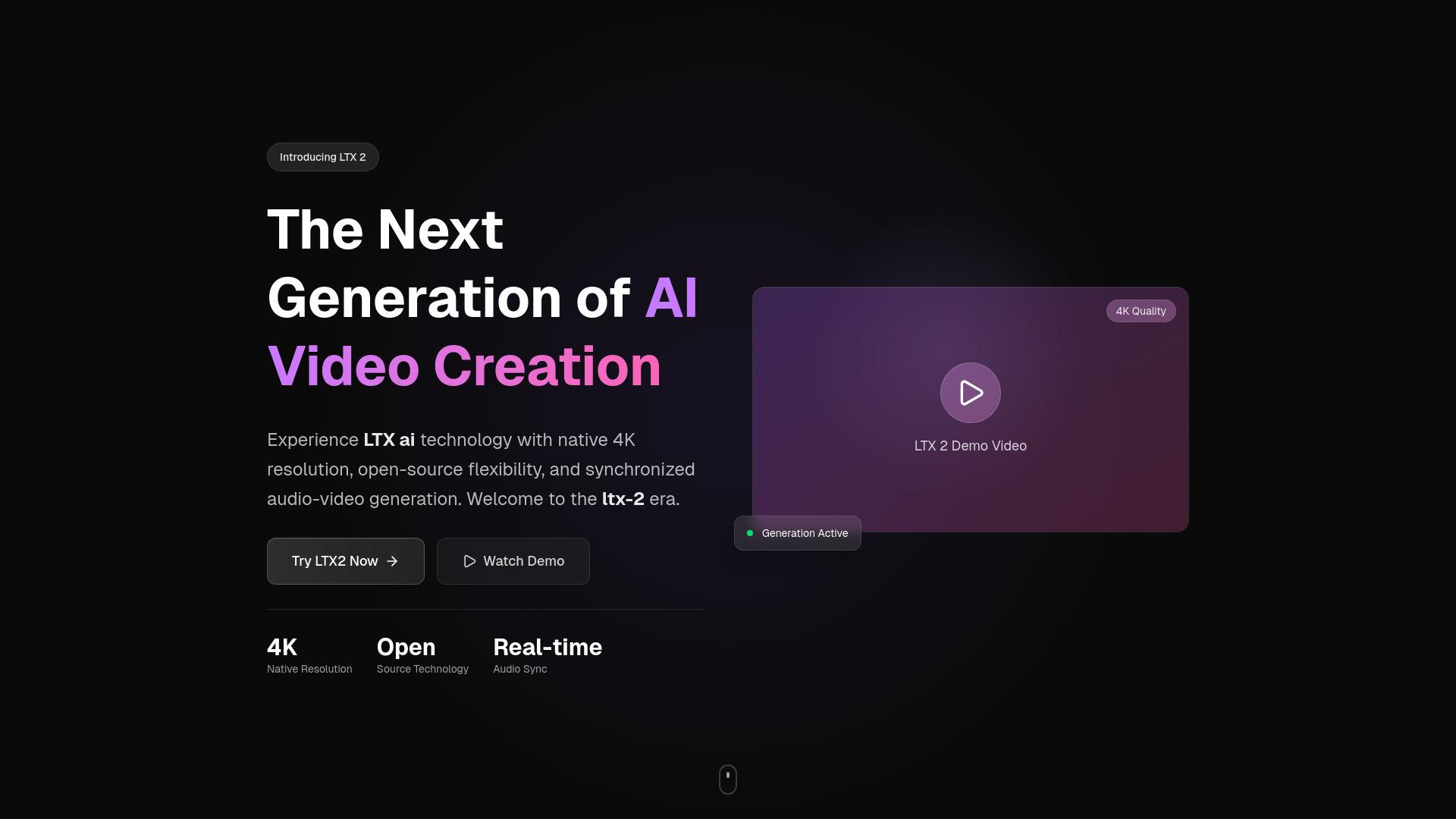
LTX 2

- Professional AI video creation
- Free plan available
- Starts at Check vendor pricing
- Usage signal: 0
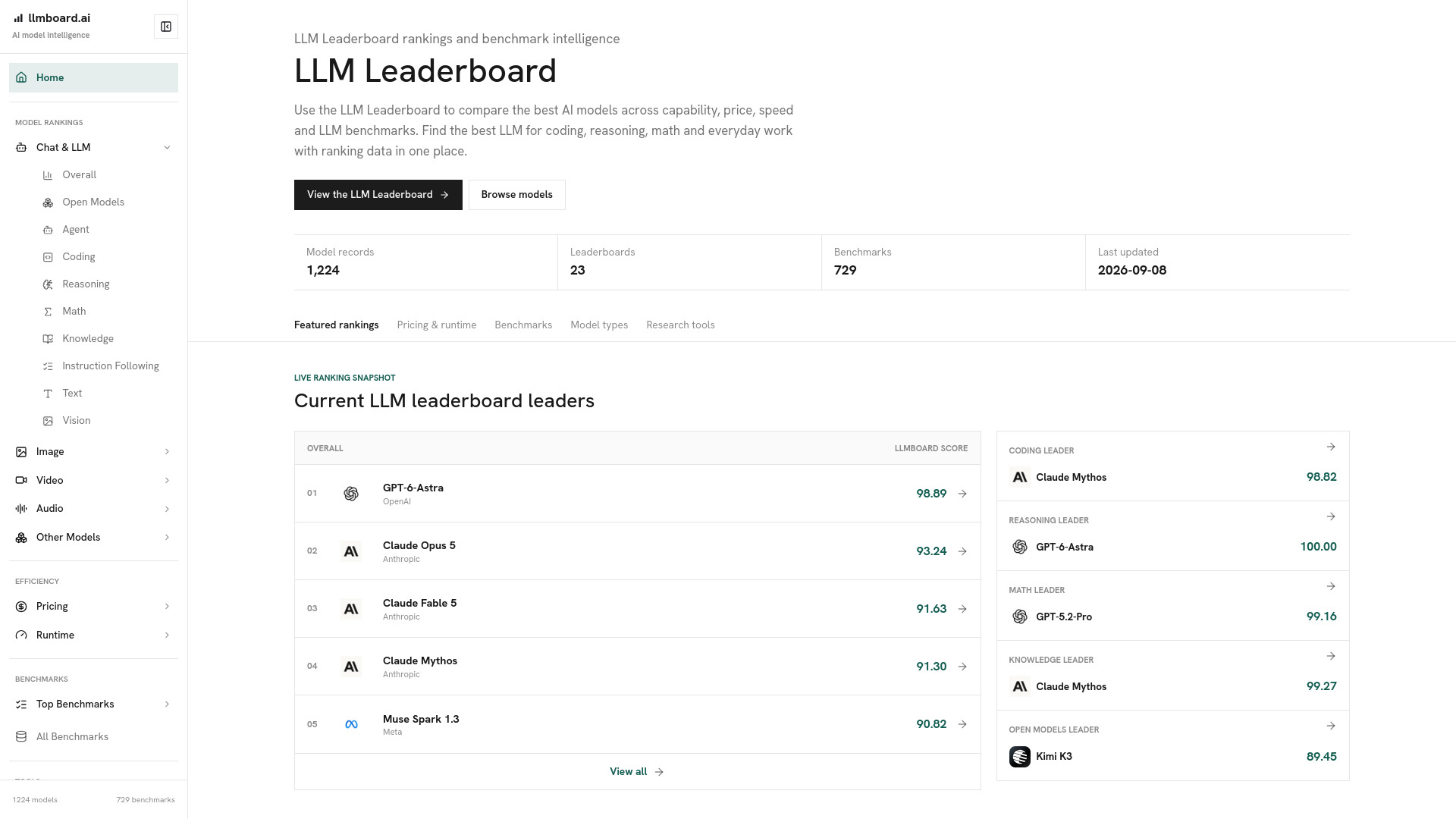
LLMBoard.ai

- Comparing LLM rankings and benchmarks
- Starts at Check vendor pricing
- Usage signal: 0
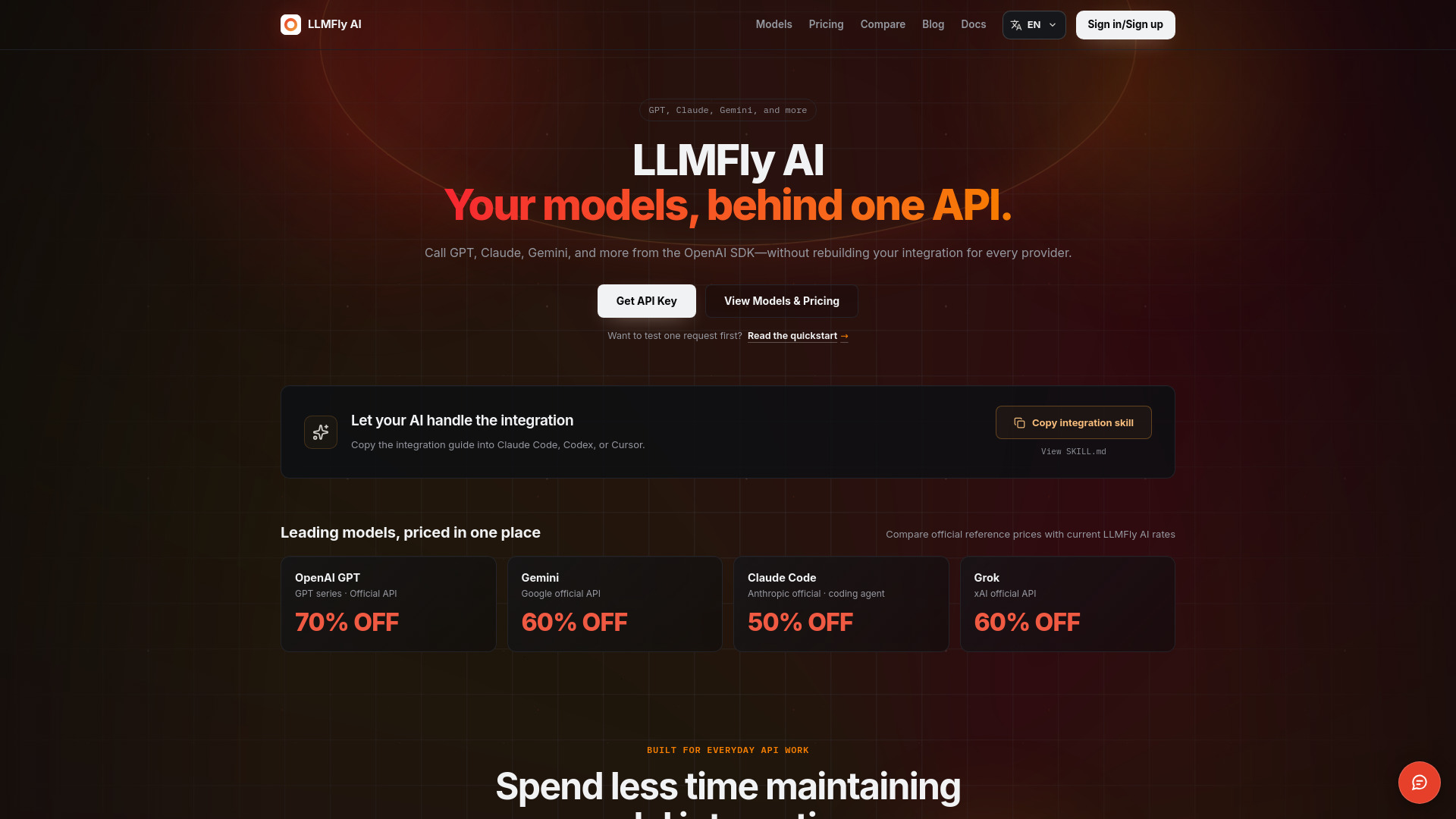
LLMFly AI

- Multi-model API integration
- Starts at Check vendor pricing
- Usage signal: 0
FLUX 3

- Multimodal video and audio creation
- Starts at $29.90/month
- Usage signal: 0

Which tool should you try first?
Start with Merge if you are building a product that must connect live business systems to agents and models. Choose AlphaAI when structured financial events are the input you need. Phare is the practical choice for uptime and incident signals, while Llumo fits AI-search visibility tracking. For sensitive security research, Abliteration.ai is the specialist option. The remaining picks are adjacent layers for ecommerce research, process automation, visual output, or model testing.
Full comparison table
| Rank | Tool | Score | Best for | Live-data or event angle | Free access |
|---|---|---|---|---|---|
| #1 | Merge | 90 | Product developers | Unified APIs, agent actions, model routing | 3 production linked accounts |
| #2 | Abliteration.ai | 90 | Cybersecurity researchers | API-based sensitive research workflows | 1 free credit |
| #3 | LTX-2 AI | 90 | Content creators | Visual output for timely explainers | Free daily credits |
| #4 | Nexscope | 90 | E-commerce sellers | Product, competitor, and market signals | Free trial / early access |
| #5 | Xelta AI | 90 | Content creators | Multi-format content production | Credit-based access |
| #6 | Logic | 89 | Business teams | Rules and recurring decisions as APIs | Free trial |
| #7 | Phare | 89 | Startups | Uptime and incident events | 100K monitoring events |
| #8 | Llumo | 89 | SEO professionals | AI visibility and citation tracking | Free with own API keys |
| #9 | EvalCore | 87 | LLM engineers | Recorded model-call events and replay | Free |
| #10 | AlphaAI | 87 | Algorithmic traders | News and SEC filing events | 20 rpm / 100 requests daily |
Best by use case
| Use case | Recommended tool | Why it fits |
|---|---|---|
| Build an agent over business systems | Merge | Unified integrations, authenticated agent actions, and LLM routing |
| Track financial events | AlphaAI | Relevance scores, ticker impact, and structured SEC filings |
| Monitor service incidents | Phare | Uptime monitoring, incident management, and status pages |
| Measure AI-search visibility | Llumo | Prompt-level visibility, citations, and competitor tracking |
Merge vs Abliteration.ai vs LTX-2 AI
| Tool | Core strength | Main audience | Main trade-off |
|---|---|---|---|
| Merge | Connected business APIs and agents | Product developers | High paid entry point |
| Abliteration.ai | Less-restricted compatible LLM access | Security researchers | Usage costs after a small preview |
| LTX-2 AI | Open-source 4K video with synced audio | Content creators | 20-second generation limit |
Merge is the strongest foundation for live business events, Abliteration.ai is the most specialized for sensitive research, and LTX-2 AI is the downstream production pick. They are not interchangeable: the first connects systems, the second supplies a model layer, and the third turns ideas into audiovisual output.
Best free event intelligence tools
Llumo offers the clearest free starting point for AI visibility tracking, with unlimited prompts when you bring your own API keys. Phare includes 100,000 monitoring events and 10 AI summaries on its free plan. AlphaAI provides a useful financial-data test tier, while EvalCore is free for offline snapshot testing. Always account for provider, overage, or API costs beyond the tool's own fee.
Pricing: what you actually pay for
Free access ranges from Merge's three production linked accounts and AlphaAI's request-limited API to Llumo's no-license-fee platform with user-supplied keys. Merge's Launch plan starts free and then costs $650/month; LTX-2 AI starts at $10/month and Logic lists a $20/user/month starting point. Verify current pricing directly, especially for contract-based plans and usage overages.
When to skip these tools
Skip this category if you only need a static dashboard, a conventional database query, or a simple chatbot with no changing external inputs. Also skip the infrastructure-heavy options if your team cannot maintain API credentials, permissions, evaluation checks, or event definitions. For production decisions, validate freshness, retention, rate limits, and vendor reliability before treating an LLM summary as the source of truth.
How we scored the list
We scored each candidate out of 100 using live-data relevance, LLM or agent usefulness, workflow breadth, audience fit, accessibility, pricing clarity, and the practical limits listed by the vendor. Because the 14 candidates span APIs, monitoring, finance, ecommerce, model evaluation, and media creation, the ranking rewards a clear event-driven use case rather than pretending every tool is the same type of product.
Who reviewed this guide
FAQ
They collect, structure, monitor, or act on changing events such as API updates, incidents, filings, model calls, marketplace changes, or AI-search results.